The History Of Replace Lock On Upvc Door


How to Replace Lock on a UPVC Door
If the multipoint lock isn't aligned with the frame, a UPVC may jam. This can be fixed by replacing the lock barrel. This is an easy fix that doesn't require special tools.
You can find the size of the lock cylinder by opening the door. Then, you will be able to find the right size lock cylinder for your door.
Remove the old cylinder
If your uPVC door is sticking or not closing properly, the issue could be in the lock cylinder. It can be easily and affordably solved by changing the cylinder. But, you must investigate the root of the problem before deciding to replace it. It could be that the frame and door are misaligned, which can make it difficult for the lock to close. It is best to get a locksmith in place to fix the issue rather than try to fix it yourself.
Before beginning the process, make sure that the door is propped up or secured to prevent it from closing between steps. Then, remove the handle by using a screwdriver. Then, remove the screws which hold it. It is recommended to remove these screws and keep them in a safe location as you will require them in the future to put the handle back on.
Once the handle is removed, you are able to access the lock cylinder. Look at the edge of the cylinder and you'll see a screw that is usually colored differently than the rest of the screws on the uPVC door. Unscrew the screw, and then use the key that is on the lock on the barrel. When the lock is unlocked, it is possible to remove it and replace it with a new one.
The cylinder is the part of the lock that houses the tumblers and accepts the key. When you insert the key, it aligns itself with the tumblers and allows the barrel to turn, which unlocks the door. It is not uncommon for the tumblers be out of alignment, preventing the lock from working. It is important to replace your old cylinders using anti-snap or anti-bump cylinders.
Before you purchase a new cylinder, make sure you measure the length of the spindle's diameter on the handle to determine the proper size. There are around 25 different sizes of cylinders. It is important to choose the correct size so that your door will be able to fit. It is also recommended to take into consideration the security level of the cylinder as certain cylinders are more secure than others.
Take off the barrel of the lock.
The barrel of a lock is an internal component of a upvc-door that houses the tumblers. It also houses the key. The barrel can unlock the door when the correct key is inserted. The barrel also houses a cylinder cam that rotates to open or close the door. It is crucial to know how to remove the barrel from a door made of upvc so that you can repair or replace it if you need to.
To take off the lock barrel, unscrew the screw holding it in place. The screw is usually buried in the escutcheon plate and is easy to spot because it is distinct from the other screws on the door handle. It's typically a different color so it's easy to find it. After you've removed the screw, you'll be able take off both the outer handles as well as the inner ones and begin to take down the door lock.
You should note that it's recommended to keep a small flat-head screwdriver handy as it will come in useful during the process of reassembly. When you're dismantling the old lock, make a note of where each piece was located so that you can put them back in their original positions when you reassemble them later. You should also check for signs of wear and tear, such as worn springs or rusty elements, before you continue.
After you've removed the old cylinder, it's now time to install the new one. The new cylinder will fit inside the lock if it's of the correct size. You should measure the spindle length on your door handle to ensure that you are installing the correct cylinder. Compare this measurement to the spindle's length on your replacement cylinder in order to determine the correct size.
Changing your lock can seem daunting, but it's actually very straightforward. You'll also save money by doing it yourself instead of hiring a locksmith. Just be sure to follow the steps listed below carefully to ensure you don't end up damaging your door. If you're not a pro in this area, you may have to call a professional for help.
Install the new cylinder
Install the new cylinder after you remove the old one. You'll need to ensure that you purchase the correct size cylinder, to ensure it fits inside your door handle. You can try out the cylinder by turning it left and right. If the cylinder has a keyhole, you will need to align the keyhole with the lock body to allow you to insert the key easily.
Once the new cylinder has been installed, you'll need to screw it in place. Make use of a screwdriver for this, and be careful not to cut or cross-thread the screw. Test the lock after the screw has been installed to determine whether it's locked. If it isn't then you'll need to tighten the screw again.
UPVC door locks are prone to an extensive amount of wear and tear, particularly when they're used regularly. This means that they're susceptible to a myriad of issues like the handle not functioning or the key becoming stuck inside the lock. Fortunately, these issues can be solved by simply changing the lock mechanism.
If your uPVC door's handle is loos Try loosening the screws holding it. This may solve the problem however, if it doesn't then you should contact a locksmith or a specialist. They can repair or replace the handle and barrel of the lock.
You might be tempted to change the cylinder by yourself on your uPVC doors, but it is important to keep in mind that this work can only be done safely by an experienced locksmith. If you're not a locksmith, you could end up damaging your entire system and compromising the security of your home.
It's also crucial to know whether you have a multi-point lock before you purchase a replacement cylinder. These locks are typically found on uPVC as well as aluminium and wooden doors. These locks can be put in the door with either hand, so you need to choose the correct type of replacement lock cylinder for your door. They are typically bulb-shaped cylinders, with the key lock on the inside of the cam.
Install the lock
The replacement of the lock cylinder on your uPVC doors is a great option to increase the security of your doors. You should be aware of the dangers of snapping locks which is why you should hire a professional to install your new locks. You will not need to worry about burglars breaking into your house.
Upvc lock issues are common. The good news is that a lot of them can be easily repaired without replacing the door or handle. Euro cylinders that refuse to move or become stuck are the most frequent problem. This can cause the key to stop functioning. In some cases, a simple adjustment is all that is required, and this can be done easily by anyone with the proper tools.
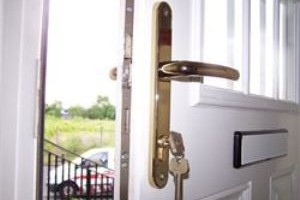
First, it is important to identify the kind of uPVC lock that is used to lock your door. You will usually find this information on the manufacturer's label close to the head or foot of your door. Once you have identified the manufacturer you can find a suitable replacement. It is also important to measure your cylinder to ensure that you are getting the right size. To measure this, you must take the measurement from the center of the circular portion of the keyhole, to the center of the square spindle hole. This is the PZ measurement.
Once you've figured out the measurements, you can purchase a uPVC door handle that matches the size of the cylinder. Make sure to match the length of the spindle as well since this is what connects to the handle. Then, take out the handle from the old one and screw into your new one. Make upvc window locking mechanism repair RepairMyWindowsAndDoors of pliers or a screwdriver to tighten the handle. Be cautious not to over tighten because this could cause damage.
After the new handle is installed after which you will require the long screw to be screwed back. This can take a bit of time, as you need to get the screw in the right position so that it is not catching any object. After that, you can test your uPVC door to ensure that the lock is working correctly.